

Hear from Our Customers
You can’t fix what you can’t see. That musty smell in your basement or those allergy symptoms that won’t quit—they’re telling you something’s wrong. But guessing costs money and time you don’t have.
A black mold test gives you the full picture. Not just where mold is growing, but what type, how much, and what’s causing it. That means you’re not tearing out drywall based on a hunch or missing hidden growth that keeps coming back.
When you know the scope upfront, you make better decisions. You get accurate quotes. You handle insurance claims with documentation, not arguments. And if you’re buying a home in Plumsteadville, PA, you negotiate from a position of strength—not surprise.
The right residential mold testing saves you from overpaying for work you don’t need and underpaying for problems you didn’t catch. It’s the difference between fixing it once and fixing it twice.
We’ve been helping homeowners in Plumsteadville, PA understand what’s growing in their properties for years. We’re certified, we’re local, and we’re not here to sell you services you don’t need.
Our inspectors use thermal imaging, moisture mapping, and lab-verified air sampling to find mold you can’t see. We’ve worked in enough Bucks County homes to know where problems hide—crawl spaces, attics, behind HVAC systems, and anywhere water sits too long.
You get a detailed report that explains what we found, what it means, and what to do next. No jargon. No upselling. Just the facts you need to move forward with confidence.
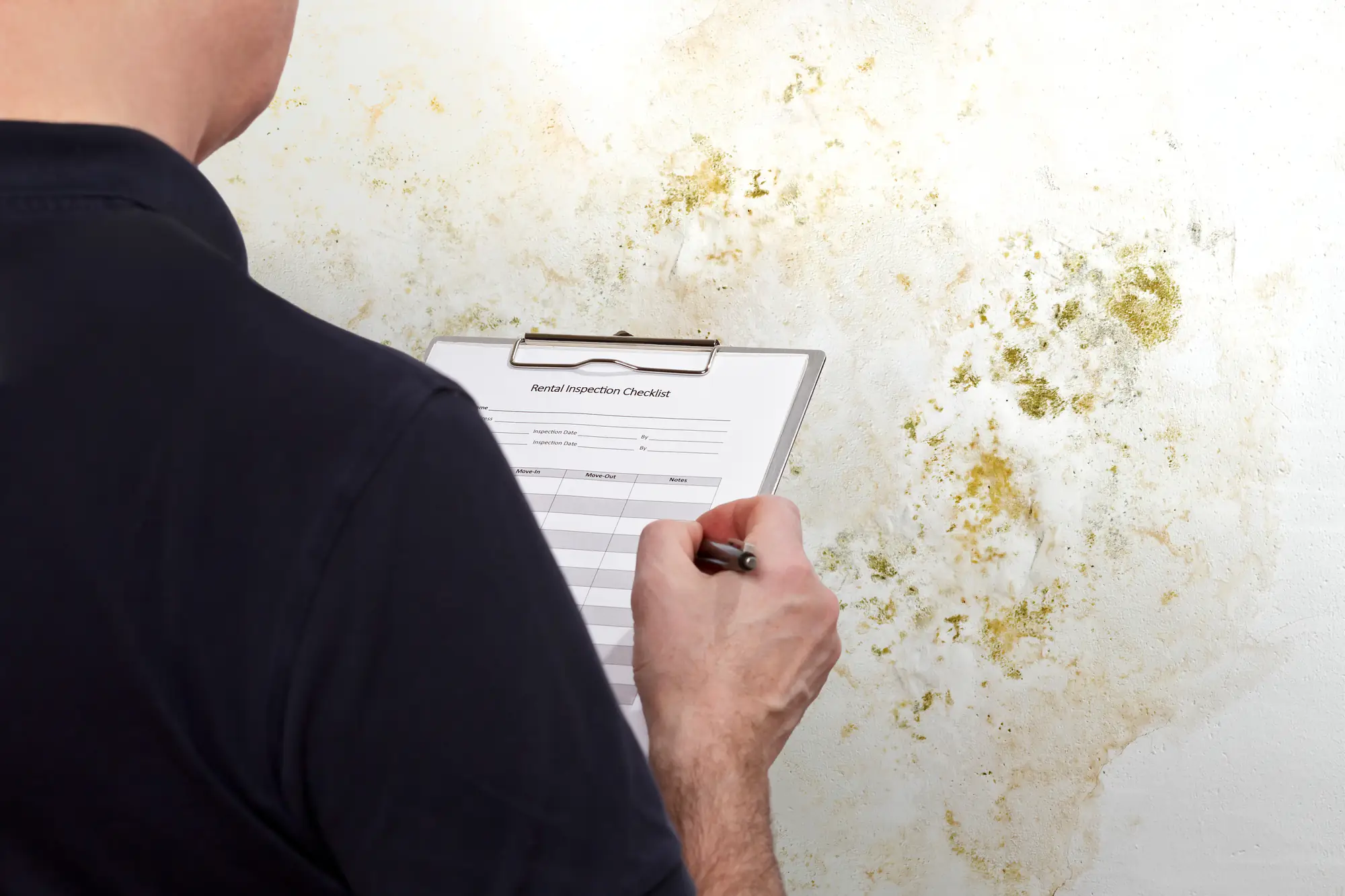
First, we walk through your property and talk about what you’ve noticed—odors, visible spots, health symptoms, water damage history. That conversation tells us where to look closer.
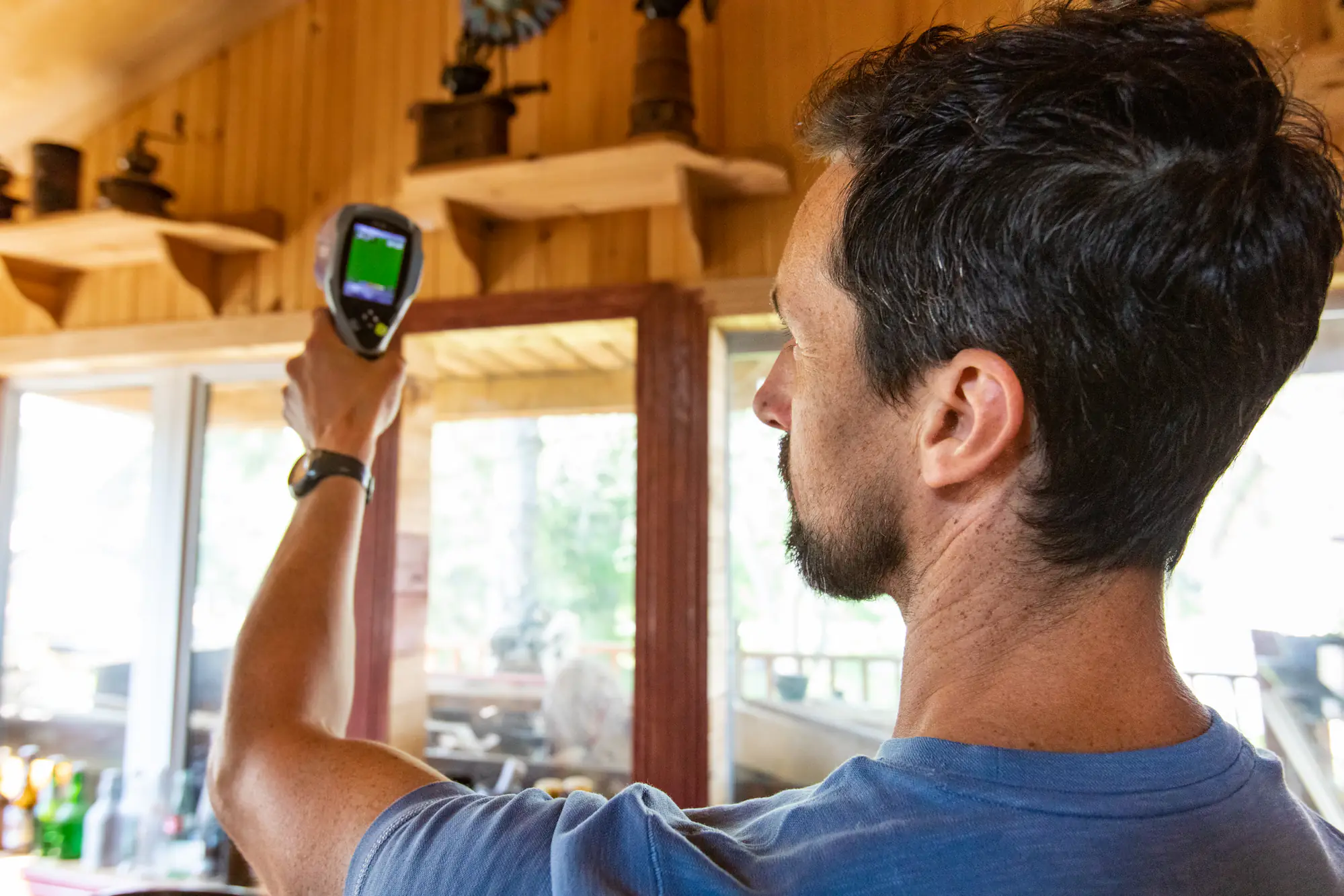
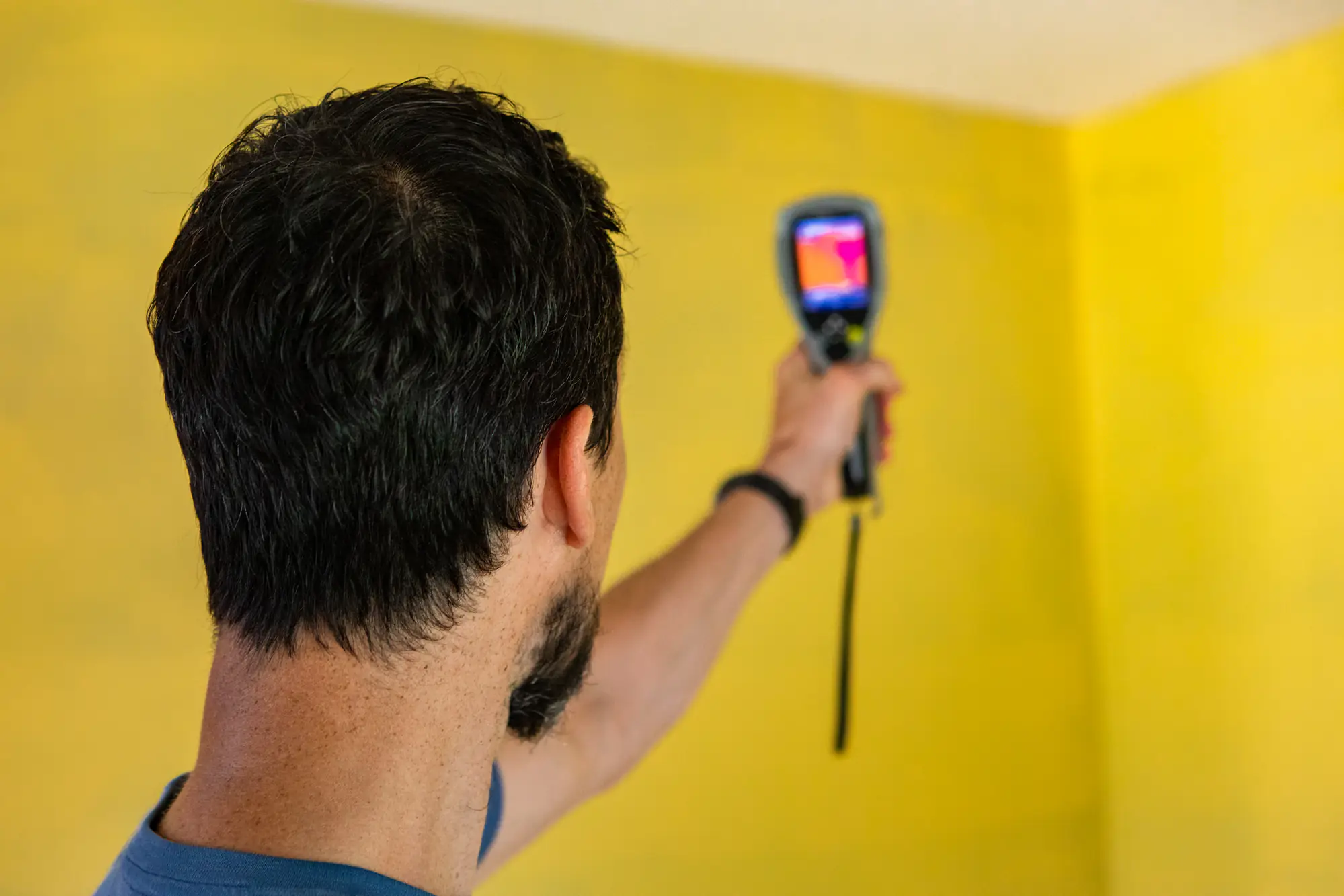
Then we use thermal cameras and moisture meters to map out problem areas. These tools detect water intrusion and temperature differences that signal hidden mold growth behind walls or under floors. We’re not guessing. We’re measuring.
Next comes sampling. We collect air samples to measure spore levels throughout your home and surface samples from suspected growth areas. Those samples go to an independent certified lab for analysis—not an in-house facility with a conflict of interest.
Within a few days, you get a written report that breaks down what species of mold we found, where the concentrations are highest, and what’s feeding the problem. We also walk you through next steps, whether that’s remediation, moisture control, or just monitoring.
The whole process is non-invasive. We’re not tearing anything apart unless we absolutely have to. And you’ll know more about your indoor air quality than 95% of homeowners in Plumsteadville, PA ever will.
Ready to get started?
You’re not just paying for someone to show up with a flashlight. A real mold testing company brings equipment, expertise, and a process that actually finds problems.
You get a full visual inspection of your property, including areas most people never check—attic insulation, crawl space joists, HVAC ductwork, and anywhere moisture tends to collect. In Plumsteadville, PA, where precipitation has increased nearly 10% in recent years, basements and lower levels are especially vulnerable.
We use infrared moisture mapping to detect hidden water damage and thermal imaging to spot temperature anomalies that indicate mold-friendly conditions. Then we collect air and surface samples using sterile techniques that prevent contamination. Those samples are analyzed by a certified microbiologist, not a tech with a weekend certificate.
Your report includes lab results, photos of affected areas, moisture readings, and a breakdown of mold species identified. If we find elevated spore counts or toxic varieties like Stachybotrys (black mold), we’ll explain what that means for your health and your home. We also identify the moisture source—because killing mold without fixing the leak just means it grows back.
This isn’t a pass-fail test. It’s a roadmap. Whether you’re dealing with an insurance claim, a real estate transaction, or just trying to breathe easier at home, you’ll have documentation that holds up.
Most professional mold testing runs between $300 and $600 depending on the size of your home and how many samples you need. A basic inspection with air sampling for a smaller home might be on the lower end. Larger properties or homes with multiple problem areas can push toward the higher range.
That might sound like a lot upfront, but compare it to the alternative. Remediation without testing means you’re guessing at the scope—and contractors tend to err on the side of more work, not less. A $500 test can easily save you $2,000 in unnecessary demolition or missed growth that comes back six months later.
If you’re buying a home, the cost of a mold inspection is a fraction of what you’d lose in property value or repair costs if you skip it. Most buyers in Plumsteadville, PA who find mold during inspection either negotiate a lower price or get the seller to handle remediation before closing. That’s leverage you don’t have without documentation.
You can, but you’re probably wasting your money. Those kits test for the presence of mold—which is already in every home. What they don’t tell you is how much mold, what type, or where it’s actually growing. You’ll get a result that says “mold detected” and still have no idea what to do next.
DIY kits also miss the most important part of mold testing: finding the source. Mold grows because of moisture problems—leaks, condensation, poor ventilation. A test kit can’t use thermal imaging to trace water intrusion behind your walls or measure humidity levels in your crawl space. It just tells you what’s floating in the air at that exact moment, which changes by the hour.
Professional mold testing gives you a complete picture. You’re not just confirming that mold exists. You’re identifying species, measuring concentrations, mapping affected areas, and understanding what’s causing it. That’s the difference between a $20 kit that creates more questions and a $500 inspection that gives you answers you can actually use.
Most inspections take between one and three hours depending on the size of your home and how many areas we need to check. A small condo with one suspected area might be done in an hour. A larger home with a basement, attic, and crawl space will take closer to three.
The actual time onsite isn’t the whole process, though. After we collect samples, they go to a certified lab for analysis. That usually takes three to five business days. Once results come back, we compile everything into a detailed report and walk you through what we found.
So from the day we inspect to the day you have answers, you’re looking at about a week. If you’re in a time crunch—like a real estate closing deadline—let us know upfront. We can sometimes expedite lab processing for an additional fee. But in most cases, a few extra days of waiting beats months of guessing or living with a problem that’s quietly getting worse.
The most common types we find in Bucks County are Cladosporium, Penicillium, Aspergillus, and occasionally Stachybotrys—which is the black mold everyone worries about. Each one thrives in slightly different conditions, but they all need moisture to grow.
Cladosporium shows up on wood surfaces, fabrics, and HVAC systems. It’s usually not toxic, but it triggers allergies and asthma in sensitive people. Penicillium loves water-damaged drywall, carpets, and insulation—it’s the one that creates that musty smell. Aspergillus grows fast in damp areas and can cause respiratory issues, especially for anyone with a compromised immune system.
Stachybotrys is the serious one. It grows on materials with high cellulose content—drywall, wood, paper—after prolonged water exposure. It produces mycotoxins that can cause headaches, fatigue, respiratory problems, and in severe cases, neurological symptoms. It’s not in every home, but when it shows up, you need to address it immediately.
The type of mold matters because it affects how you remediate and whether you need to take extra precautions during removal. That’s why lab analysis is critical. Visual identification isn’t enough—you need to know exactly what you’re dealing with.
Yes, but not in a simple yes-or-no way. The report will show you spore counts, identify species, and map where concentrations are highest. From there, you can make an informed decision about whether remediation makes sense.
If spore levels are only slightly elevated and the mold is a common non-toxic variety, you might just need better ventilation or a dehumidifier. If we find high concentrations of toxic mold or growth covering large areas, remediation isn’t optional—it’s necessary to protect your health and your home’s structural integrity.
The report also helps you avoid getting oversold. Some remediation companies will walk into a basement, see a little surface mold, and quote you $8,000 to gut the whole room. With testing, you know whether that’s justified or whether a smaller, targeted fix will do the job. You’re not taking anyone’s word for it. You’re making decisions based on data from an independent lab that has no financial stake in what happens next.
In most cases, we can schedule an inspection within a few days of your call. If you’re dealing with an urgent situation—active water damage, severe health symptoms, or a tight real estate deadline—we’ll do our best to get someone out sooner.
Mold spreads fast. Once conditions are right, it can colonize in as little as 72 hours. That doesn’t mean you need to panic, but it does mean waiting weeks to “see if it gets worse” usually backfires. The longer mold grows, the more it costs to remove and the greater the risk to your health and property value.
When you reach out, we’ll ask a few questions about what you’re seeing, smelling, or experiencing. That helps us prioritize scheduling and come prepared with the right equipment. Then we get you on the calendar and start the process. The sooner you test, the sooner you know what you’re dealing with—and the sooner you can stop wondering and start fixing it.
Other Services we provide in Plumsteadville